
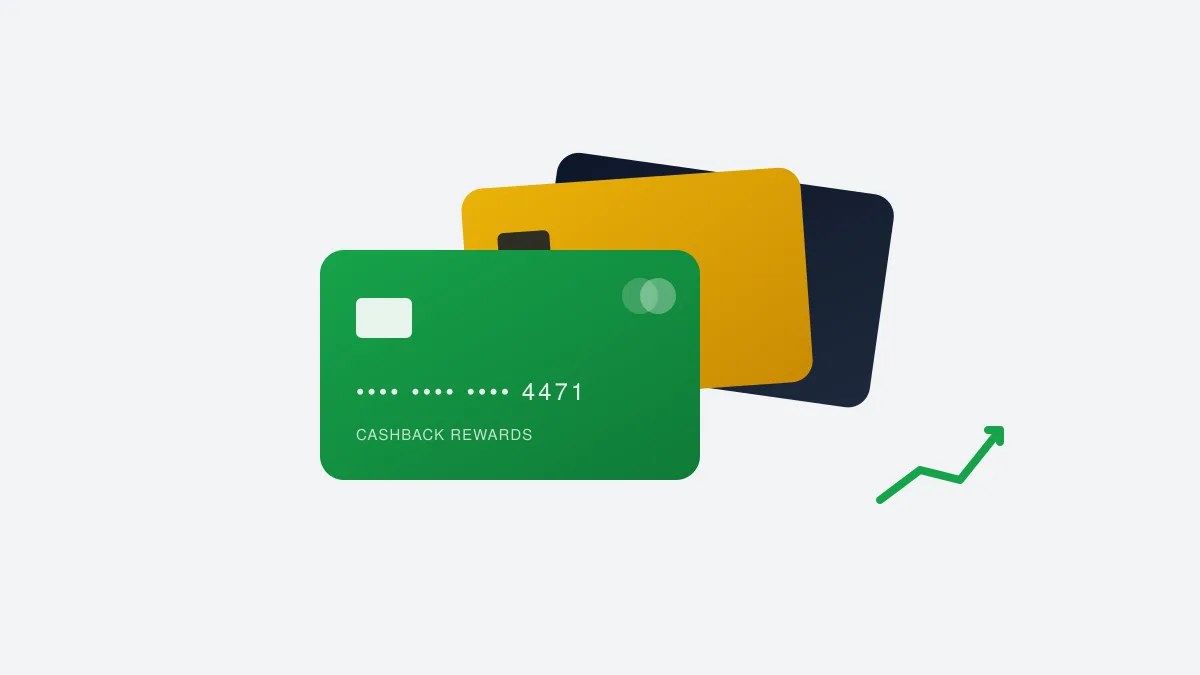
The cashback credit card landscape has matured significantly entering 2026. Competition among major issuers — including Chase, American Express, Capital One, and Citi — has driven welcome bonuses to near-record highs while simultaneously introducing more nuanced earning structures that reward specific spending behaviors. The result is a market where choosing the right card for your lifestyle can yield north of $2,400 in annual value for the average American household.
However, with complexity comes risk. Annual fees that once seemed reasonable can erode returns if cardholders fail to activate perks, rotating categories go unregistered, and sign-up bonus spending requirements occasionally push consumers into debt. This guide cuts through the noise with a rigorous methodology: we evaluated each card on effective cash-back rate across actual U.S. consumer spending data, the true net value after subtracting annual fees, benefit accessibility, and the long-term sustainable value beyond the first-year bonus.
How We Define "High-Yield" in 2026
A truly high-yield cashback card must clear three thresholds: an effective blended return of at least 2.0% across all spending categories, a net annual value of $300 or more for a household spending $3,000 per month, and a redemption process free of obscure restrictions that quietly devalue your earned rewards.
The 2026 Top Picks at a Glance
| Card | Annual Fee | Base Earn Rate | Top Category | Sign-Up Bonus | Net Annual Value* |
|---|---|---|---|---|---|
| Chase Freedom Unlimited Best Overall | $0 | 1.5% – 5% | 5% on Chase travel | $200 after $500 spend | $441 |
| Citi Double Cash Best Flat Rate | $0 | 2% on everything | 2% unlimited | $200 after $1,500 spend | $388 |
| Amex Blue Cash Preferred | $95 (waived yr. 1) | 1% – 6% | 6% at U.S. supermarkets | $250 after $3,000 spend | $512 |
| Capital One Venture X Premium Pick | $395 | 2x – 10x miles | 10x on hotels & cars | 75,000 miles after $4,000 spend | $895 |
| Wells Fargo Active Cash | $0 | 2% unlimited | 2% on all purchases | $200 after $500 spend | $362 |
Financial experts consistently recommend pairing a flat-rate card (like the Citi Double Cash at 2% across the board) with a category-specific powerhouse (like the Amex Blue Cash Preferred for groceries). This combination typically outperforms any single-card strategy by $180–$320 annually.
Breaking Down the Annual Fee Question
The most common mistake card applicants make is reflexively avoiding annual fees. A card charging $95 per year is objectively superior to a no-fee card if it delivers $400 more in net annual value — a reality that applies to roughly 60% of American households with grocery spending above $500 per month.
Maximizing Your Cashback Return
- Stack portal bonuses with category bonuses: Portals offer 2x–15x bonus earnings on top of your standard category rate.
- Register rotating categories early: An unregistered category defaults to 1%, costing money.
- Use your card for recurring bills: Subscriptions and utility autopay add substantial annual spend.
- Never carry a balance: High APRs easily wipe out any 2% or 5% cashback gains.
MyMoneySprint may receive compensation from financial product providers when you click links on this page. This does not influence our editorial recommendations.